
The Qualifications Behind Financial Advice and Why They Vary Widely.
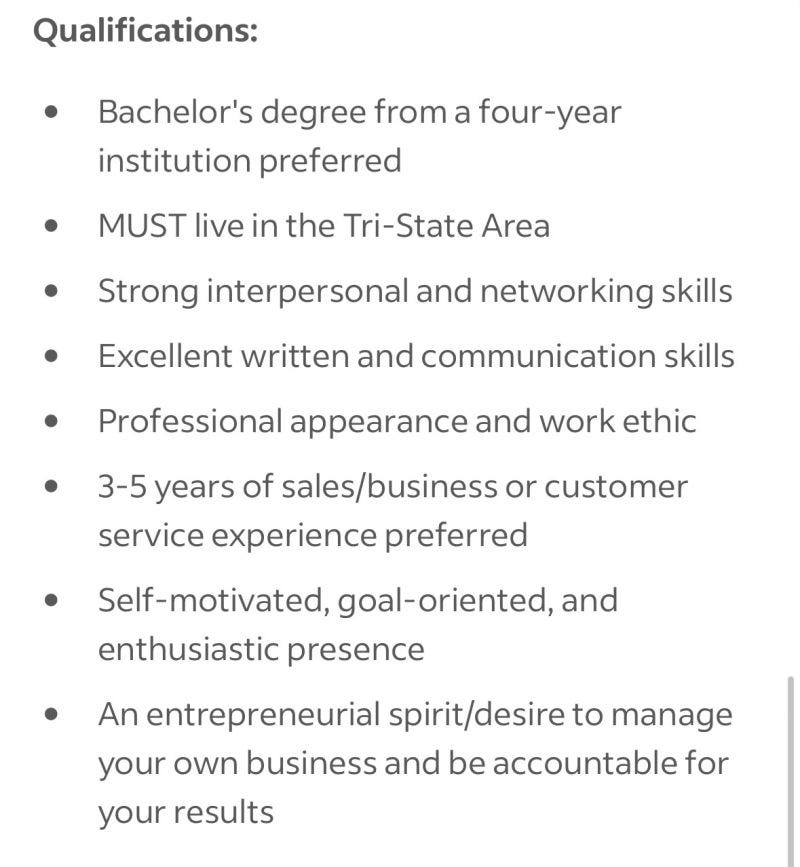
Recently I read a job posting for a financial advisor.
What Skills weren’t listed
Notice what’s missing in most financial advisor job postings?
Almost anything about:
financial planning knowledge
tax strategy
retirement income design
IRMAA, RMDs, QCDs
charitable planning
appreciated asset strategies
NIIT
multi‑year tax planning
actual technical expertise
Instead, the job descriptions focus on:
sales ability
prospecting
cold calling
networking
“building your book”
“entrepreneurial mindset”
They hire for sales.
This is why so many advisor meetings feel like 90% sales pitch, 10% planning if that.
Why Firms Hire This Way
The reason you see these job openings everywhere is simple:
They’re cheap.
The firm pays:
a few hundred dollars to get someone licensed
maybe a small training stipend
maybe a tiny base salary (or none at all)
Then they tell the new advisor:
“Go build your book. Good luck.”
No real salary.
No real support.
No real investment in their development.
From the firm’s perspective, these advisors are low cost and low priority. If they fail, the company loses nothing. If they generate some revenue, it is great. Most, even if they do generate business, will leave the industry and leave all their business behind.
What This Creates
Most of these individuals who accept a job from this type of job posting end up in high‑pressure sales roles.
This is not a healthy relationship for a consumer.
It creates a “get money quick” environment.
Are there exceptions? Absolutely. Some people grow into excellent advisors.
But the vast majority do not.
How Consumers Can Protect Themselves
When you’re interviewing a financial advisor, don’t just ask:
“What’s your process?”
“How often will we meet?”
“What’s your investment philosophy?”
Those questions tell you almost nothing.
Ask about actual expertise:
IRMAA
RMDs and QCDs
charitable bunching
appreciated asset strategies
NIIT
Roth conversion timing
multi‑year tax planning
Social Security optimization
retirement income sequencing
See how deep they can go.
If they struggle, that tells you everything you need to know.
A Simple Test Anyone Can Do
Before hiring an advisor, look up the job posting for their role on Indeed or LinkedIn.
You’ll quickly see:
what qualifications were required
what the firm actually values
whether the role is planning‑focused or sales‑focused
Then look at their certifications:
CFP®
CPA
EA
CFA
These aren’t everything but they’re a strong indicator of whether the advisor has real training or was simply hired to sell.
If you want help applying these strategies to your own retirement plan, you can book a 30‑Minute Meeting here.
Disclaimer: This blog is for educational and informational purposes only and does not constitute financial, investment, tax, or legal advice. Investing involves significant risk, including the potential for total loss of principal. Past performance is not a guarantee or reliable indicator of future results. All information, data, and ideas presented should be discussed in detail with a qualified financial advisor, tax advisor, or legal professional prior to implementation.
Frequently Asked Questions
Most financial advisor job postings emphasize sales abilities like prospecting, cold calling, and networking rather than technical expertise. Technical skills such as financial planning knowledge, tax strategy, retirement income design, and understanding concepts like RMDs, QCDs, and NIIT are rarely listed as requirements in these postings.
Firms often minimize training investments because hiring for sales ability is cheaper than developing technical expertise. New advisors typically receive only basic licensing, minimal training stipends, and sometimes no base salary, making them low-cost, low-priority employees from the firm's perspective.
Building your book refers to acquiring clients and generating revenue for the firm. This language in job postings indicates the focus is on sales prospecting and client acquisition rather than developing deep financial planning or technical advisory skills.
When firms hire primarily for sales ability rather than technical expertise, client meetings often emphasize sales pitches over actual financial planning discussion. This reflects the firm's hiring priorities and the limited technical training most advisors in these roles receive.
Disclaimer: This blog is for educational and informational purposes only and does not constitute financial, investment, tax, or legal advice. Investing involves significant risk, including the potential for total loss of principal. Past performance is not a guarantee or reliable indicator of future results. All information, data, and ideas presented should be discussed in detail with a qualified financial advisor, tax advisor, or legal professional prior to implementation.
Get New Articles by Email
Plain-language notes on planning, taxes, and retirement. One email when something new is published, and nothing else.
Keep Reading
Cliff Brockmann, CFP®, EA is a flat fee financial advisor and the owner of High Touch Financial Planning. This article first appeared on the High Touch Financial Planning website and is republished on Flat Fee Advisors with permission.